
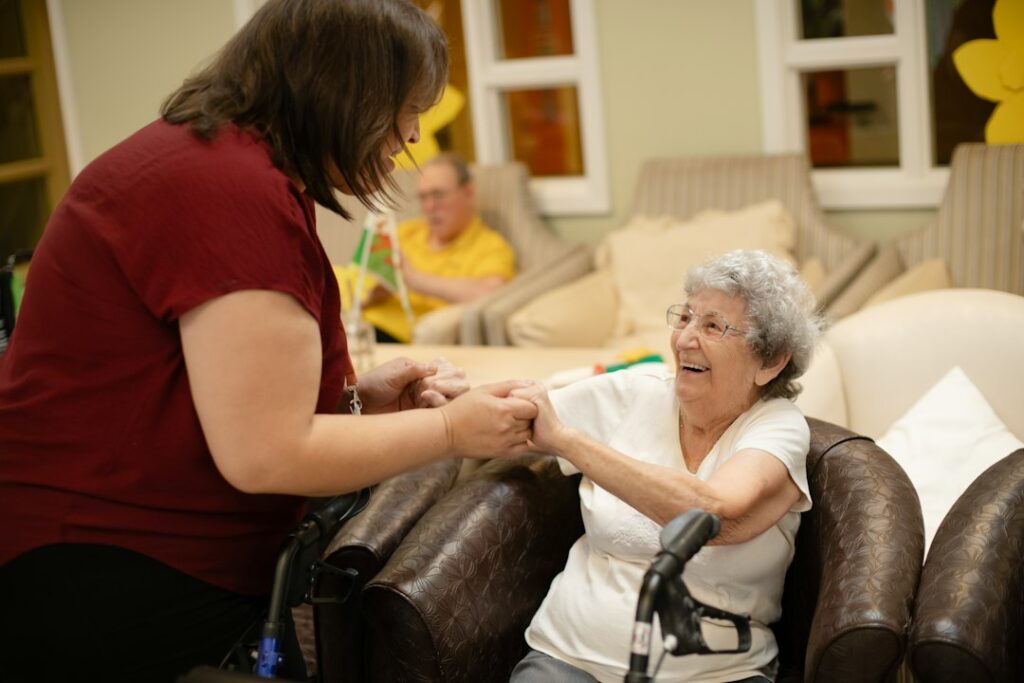
Family involvement in assisted living is more than visiting a loved one. Events, meals, group activities, educational programs, and seasonal gatherings can help relatives understand daily life, build trust with staff, and support a resident’s emotional well-being. The most helpful participation is consistent, respectful, and shaped around the resident’s preferences.
Why do assisted living events matter to family members?
Assisted living events give families a practical view of how a community operates and how a resident spends time there. They also create opportunities for connection that may feel more natural than a formal visit in a private apartment.
A family member might attend:
- A holiday meal or seasonal celebration
- A music performance, art class, or game afternoon
- A resident council meeting or educational presentation
- A birthday gathering
- A garden, walking, or outdoor activity
- A family discussion about routines, safety, or care planning
Participation can help relatives notice changes in mood, mobility, appetite, communication, or social comfort. It may also help a resident feel that important relationships remain part of everyday life.
For residents in Fort Washington, weather can influence which events are most practical. Winter conditions, summer heat, and periods of rain may affect outdoor gatherings and travel plans, so families may need to remain flexible about attendance.
How should a family member choose which events to attend?
Start with the resident’s interests rather than trying to attend everything. A person who dislikes large gatherings may prefer a small activity, while someone who enjoys conversation may look forward to group meals or performances.
Ask simple questions:
- Which activities do you enjoy most?
- Are there events that feel tiring or uncomfortable?
- Would you like family members to attend, or would you rather participate independently?
- Is there a particular event you would like help preparing for?
- Would you prefer a short visit or several hours together?
The resident’s answer may vary from week to week. Fatigue, pain, memory changes, hearing difficulty, or changes in confidence can affect whether a particular event feels enjoyable.
A calendar can help families coordinate without making the resident feel monitored. Marking a few meaningful events each month is often more manageable than creating an overly demanding schedule.
What should family members do before attending?
A little preparation can prevent confusion and reduce stress. Confirm the event’s time, location, length, and visitor expectations. Some programs may require advance notice, have limited seating, or include activities that are not suitable for every resident.
Before arriving, consider:
- Whether the resident has a preferred meal, clothing choice, or seating location
- Whether transportation or extra travel time is needed
- Whether the event may be noisy, crowded, or physically demanding
- Whether photography is allowed
- Whether children or additional guests are permitted
- Whether food allergies, dietary restrictions, or swallowing concerns need to be considered
Family members should also avoid arriving with an unplanned group unless the resident and staff have agreed that it is appropriate. A crowded visit can be enjoyable for some people but overwhelming for others.
For households traveling during busy periods, including winter holidays or severe-weather days, a backup plan is useful. A shorter visit, video conversation, or private activity may be a better option than pushing through unsafe travel conditions.
How can relatives participate without taking over?
The most respectful role is usually that of a guest, companion, or helper—not a director of the event. Staff are responsible for organizing activities and managing care needs. Family members can support participation while allowing residents to make choices whenever possible.
Helpful actions include:
- Sitting beside a loved one during a program
- Introducing the resident to another participant
- Helping read instructions or activity materials
- Offering encouragement without insisting on participation
- Bringing conversation prompts, photographs, or familiar music when appropriate
- Helping the resident leave early if signs of fatigue appear
- Thanking staff for practical assistance
Avoid correcting a resident publicly, speaking for them unnecessarily, or pressuring them to join a group. A person may prefer to watch rather than participate. That choice can still represent meaningful engagement.

If a family member notices a concern, such as repeated isolation or difficulty joining an activity, it is better to raise the issue privately with the appropriate staff member rather than discussing it in front of other residents.
What if a loved one does not want to attend?
Refusal does not always mean a resident is uninterested. The person may be tired, anxious, embarrassed about mobility limitations, uncomfortable in crowds, or uncertain about what will happen.
Ask about the reason without arguing. A family member might say, “Would it help to sit near the door?” or “Would you rather attend for fifteen minutes and leave if you are tired?” Offering limited choices can make an event feel more manageable.
If the resident continues to decline, respect the decision. Participation should not become a test of cooperation. Families can maintain connection through a quiet visit, a shared snack, a familiar television program, looking through photographs, or a conversation in a less stimulating setting.
Repeated withdrawal, sudden loss of interest, or a marked change in behavior may be worth discussing privately with staff. These changes can relate to health, mood, medication effects, hearing, pain, or difficulty understanding the activity.
How can families build better relationships with staff during events?
Events provide informal opportunities to learn who supports a resident and how communication works. Brief, courteous conversations can establish familiarity, but detailed care concerns are usually better handled at an appropriate private time.
Family members can ask practical questions such as:
- What types of activities seem to suit this resident?
- Are there quieter programs available?
- Does the resident need reminders or assistance to attend?
- Have staff noticed any recent change in participation?
- What is the best way to share observations or concerns?
Staff may be balancing several residents’ needs during an event. A family member should not expect a lengthy care discussion in the middle of a program. If an issue involves safety, health, medication, falls, nutrition, or significant behavior changes, it should be communicated promptly through the community’s established process.
Clear communication works in both directions. Families should share relevant information about the resident’s preferences, routines, cultural traditions, hearing needs, or signs of distress.
Are assisted living events appropriate for children and extended family?
Many events can include children or extended relatives, but the resident’s comfort should guide the decision. Children may bring energy and warmth, yet loud voices, quick movement, or long visits can be tiring for some older adults.
Before bringing additional family members, consider:
- The resident’s ability to tolerate noise and activity
- Whether younger visitors can follow the setting’s expectations
- The length of the event
- Whether the resident has enough quiet time afterward
- Whether other residents may be included in photographs or conversations
A short, well-planned visit is often more successful than an extended gathering. Children can participate by making a card, listening to music with the resident, helping decorate a table, or asking about family memories.
How can participation continue after the event?
A brief follow-up can make an event more meaningful. Ask the resident what they enjoyed, what felt difficult, and whether they would like to attend something similar again. Avoid quizzing someone with memory loss; focus on comfort and emotion rather than exact details.
Family members can also record preferences for future visits. For example, a resident may enjoy morning activities but become tired later in the day, or prefer sitting along the edge of a room rather than in the center.
The goal is not to attend every program. It is to remain connected in ways that respect the resident’s choices, energy, privacy, and changing abilities.
